

2026 Outlook: Tax Reform Update and Trading Investment Plan Communication
Dear Valued Clients and Esteemed Investors,
We extend our sincere appreciation to you for your continued trust, cooperation, and partnership with Akinyele Oluwale & Co. Your confidence and commitment remain fundamental to our ability to serve you effectively across our tax advisory and trading investment plan engagements.
Tax Reform Update
We commend our clients for their consistent fulfillment of tax obligations and their contribution to Nigeria’s socio-economic development during the last fiscal year. Your compliance—whether as corporate entities or individual taxpayers—plays a critical role in national growth, infrastructure development, and public service delivery.
As we transition into 2026, Nigeria’s ongoing Tax Reform agenda is aimed at building a fairer, simpler, and more growth-oriented tax system. Key developments include enhanced tax administration through expanded digital platforms, the transition from FIRS to the Nigeria Revenue Service (NRS), reduced compliance burdens, and improved taxpayer services. Importantly, the reforms prioritize broadening the tax base rather than increasing tax rates, encouraging voluntary compliance, and strengthening transparency and accountability in tax revenue utilization.
Corporate taxpayers continue to benefit from reforms that support ease of doing business, clearer regulatory guidance, and incentives for investment and job creation. Individual taxpayers equally benefit from improved taxpayer identification systems, balanced enforcement mechanisms, and increased taxpayer education and awareness.
We remain fully committed to keeping you informed, compliant, and strategically positioned under the evolving tax landscape.
Trading Investment Plan Update
Reflecting on the 2025 financial year, we sincerely appreciate your patience, trust, and confidence in our investment operations. The year presented significant global and local market challenges that impacted financial markets broadly. These conditions contributed to the delayed and, in some instances, failed payouts experienced during the period.
We wish to clearly reaffirm that these setbacks were driven by market conditions and not by any lack of commitment, integrity, or operational diligence on our part.
Looking ahead to 2026, we remain firmly focused on stabilizing operations and addressing outstanding payout obligations. Strategic measures are already being implemented to mitigate market risks, strengthen performance, and enhance resilience. We are confident that these steps will support improved outcomes in the near term.
We deeply value your partnership and remain committed to transparency, accountability, and sustainable long-term growth.
Thank you for your continued support as we move forward together.
Yours faithfully,
Akinyele Oluwale & Co.
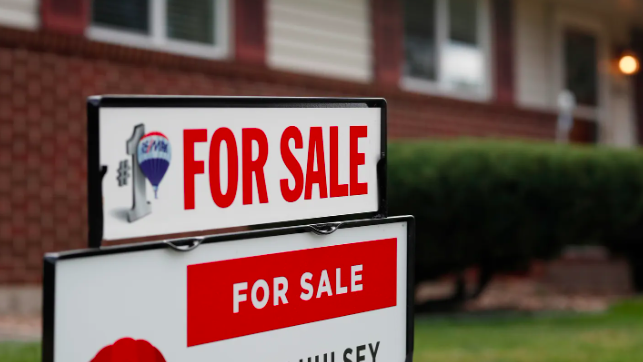
How Do Lower Interest Rates Affect Mortgage Rates?
Mortgage rates usually decrease before and during a phase of interest rate reductions: The average 30-year fixed-rate mortgage fell to 6.35% from 6.5% last week, marking the lowest point since October 2024, as reported by mortgage buyer Freddie Mac. The borrowing costs for 15-year fixed-rate mortgages also decreased to 5.5% from 5.6%, approaching the rate from a year ago of 5.27%. When the Federal Reserve reduced the funds rate to a range of 0% to 0.25% during the pandemic, 30-year mortgage rates reached historic lows between 2.7% and 3% by the end of 2020, according to data from Freddie Mac. Consumers who refinanced their mortgages in 2020 saved approximately $5.3 billion each year as rates fell, as stated by the Consumer Financial Protection Bureau. In a similar vein, mortgage rates surged to around 7% when interest rates were increased in 2022 and 2023, although mortgage rates seemed to respond within weeks of the Fed's decisions to either cut or raise rates.
How Do Treasury Bonds React to Decreased Interest Rates?
Long-term Treasury yields are significantly affected by interest rates, with lower rates generally leading to reduced yields. When the Federal Reserve lowered rates to almost zero during the pandemic, 10-year Treasury yields dropped to a historic low of 0.5%. As Treasury note yields decrease, borrowing costs for consumers also fall, which is expected to result in lower rates for credit cards, business loans, vehicle purchases, and other types of loans.
Key Background
A more relaxed monetary policy came after months of pressure from President Donald Trump, who has criticized Fed Chair Jerome Powell for being "TOO LATE" and has advocated for substantial rate cuts. In recent weeks, Wall Street expected a reduction in interest rates, spurred by stronger-than-anticipated jobs data that suggested the labor market was deteriorating more quickly than expected, alongside inflation, which rose again in August while remaining above the central bank's 2% target. The Fed operates under a dual mandate of achieving full employment and maintaining stable inflation when evaluating interest rates, although Powell indicated last month that the "shifting balance of risks" regarding the U.S. economy might "justify a change in our policy approach."